

|
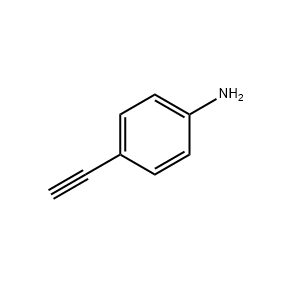
CAS NO.14235-81-5 4-ETHYNYLANILINE |
|
|
Product Name |
4-ETHYNYLANILINE |
|
Synonyms |
4-Ethynylaniline,98%;4-Ethynylaniline,1-Amino-4-ethynylbenzene;p-Ethnylaniline;4-ethenylbenzenamine;4-Ethynylaniline(4-aminophenylacetylene);4-ETHYNYLANILINE97%;Benzenamine,4-ethynyl-(9CI);4-ETHYNYLANILINE,99%4-ETHYNYLANILINE,99%4-ETHYNYLANILINE,99%4-ETHYNYLANILINE,99% |
|
CAS NO. |
14235-81-5 |
|
Purity |
98% min |
|
MF |
C8H7N |
|
MW |
117.15 |
|
Storage |
Preserve in a well-closed container and keep in cool, dry place, avoid light. |
|
Package |
In fluoride bottle/ Fluoride drums/iron drums/plastic drums/IBC Tank ,etc. |
|
Shipment method |
By Sea, Air, Courier door to door, etc. |
|
Loading Port |
China any port, Beijing, Shanghai, Hong Kong etc. |
|
Application |
4-Ethynylaniline (CAS NO. 14235-81-5) is mainly used as a versatile building block in organic synthesis, click chemistry, pharmaceutical intermediates, and functional polymer/material development. |
|
Contact |
Contact person: Mr.Benson Han Email: inquiry@dakenchem.com |
Frequently Asked Questions:
Q1: What is the main use of 4-Ethynylaniline (CAS NO. 14235-81-5)?
A: 4-Ethynylaniline (CAS NO. 14235-81-5) is mainly used as a versatile organic synthesis intermediate for pharmaceutical research, click chemistry, and functional material development due to its reactive amino and ethynyl groups.
Q2: Why is 4-Ethynylaniline (CAS NO. 14235-81-5) valuable in chemical synthesis?
A: 4-Ethynylaniline (CAS NO. 14235-81-5) contains both an aromatic amine and a terminal alkyne group, allowing it to participate in various coupling and modification reactions for designing advanced molecules.
Application Cases
Case 1: Synthesis of advanced organic intermediates
4-Ethynylaniline (CAS NO. 14235-81-5) is used as a starting material in palladium-catalyzed coupling reactions to construct substituted aromatic compounds and heterocyclic molecules for research and development applications.
Case 2: Development of functional polymers
4-Ethynylaniline (CAS NO. 14235-81-5) can be polymerized into poly(4-ethynylaniline), which is investigated for applications in conductive polymer research and advanced functional materials.


